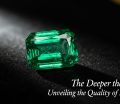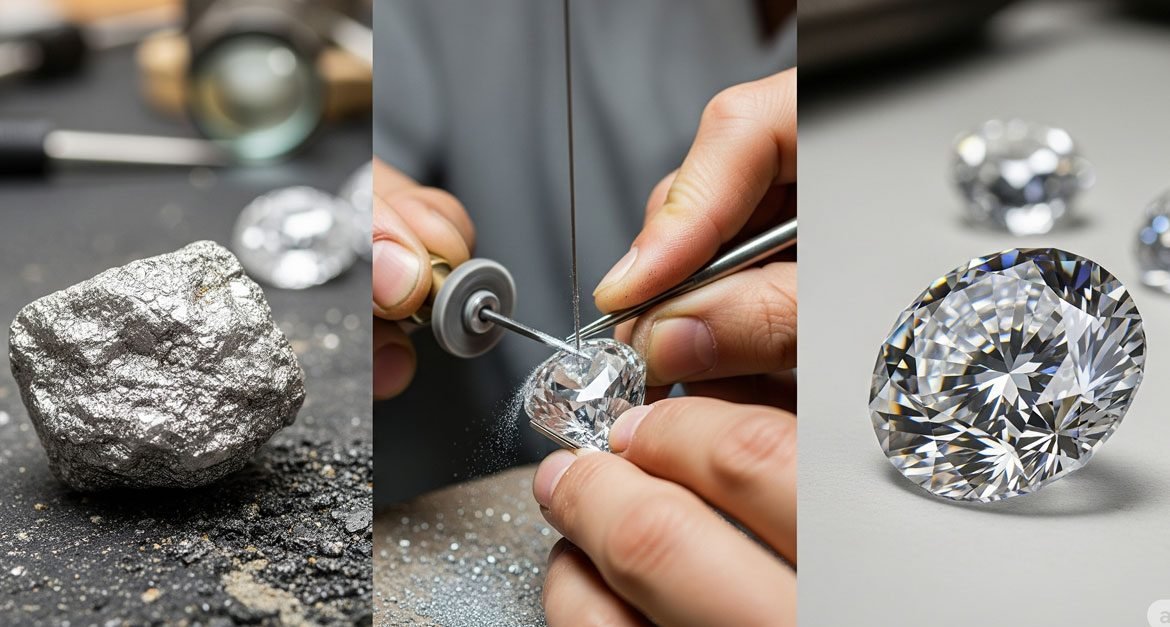
The journey of an emerald from the depths of the earth to a cherished piece of jewelry is a tale of transformation. When an emerald is first unearthed, it is a rough, unpolished stone, its true beauty hidden within. It is the skilled hands of a gem cutter that unlock this hidden potential, transforming the rough stone into a dazzling gem that sparkles with life and color. The art of gem cutting, also known as lapidary, is a craft that has been honed over centuries, a delicate dance between science and intuition.
For a long time, many emerald mining regions lacked the in-house expertise and specialized facilities for cutting. As a result, a significant portion of the world’s rough emeralds was exported to traditional cutting centers, where generations of artisans had perfected the art of emerald cutting. While this provided a ready market for the rough stones, it also meant that the mining regions were missing out on a significant opportunity to add value to their precious resources.
The cutting process is where a significant portion of an emerald’s value is created. A well-cut emerald will exhibit a vibrant color, a brilliant sparkle, and a pleasing shape. A poorly cut emerald, on the other hand, can look dull and lifeless, regardless of the quality of the rough stone. The cutter’s job is to maximize the beauty of the stone while retaining as much of its original weight as possible.
The first step in the cutting process is to carefully examine the rough stone. The cutter will study the stone’s color, clarity, and the distribution of inclusions. Inclusions are natural imperfections within the stone, and they are a characteristic feature of emeralds. A skilled cutter will work with these inclusions, using them to create unique and interesting patterns within the stone.
The most common cut for emeralds is the “emerald cut,” a rectangular shape with beveled corners. This cut is specifically designed to enhance the color of the emerald and protect it from mechanical strain. However, emeralds can also be cut into other shapes, such as ovals, pears, and rounds, depending on the shape and quality of the rough stone.
In recent years, there has been a growing trend towards developing cutting facilities in the emerald-producing countries themselves. This is a positive development that allows these countries to retain more of the value of their natural resources. By investing in training and technology, these countries are creating a new generation of skilled gem cutters who can transform their local treasures into world-class gemstones. This not only boosts the local economy but also helps to create a more sustainable and equitable gemstone industry.