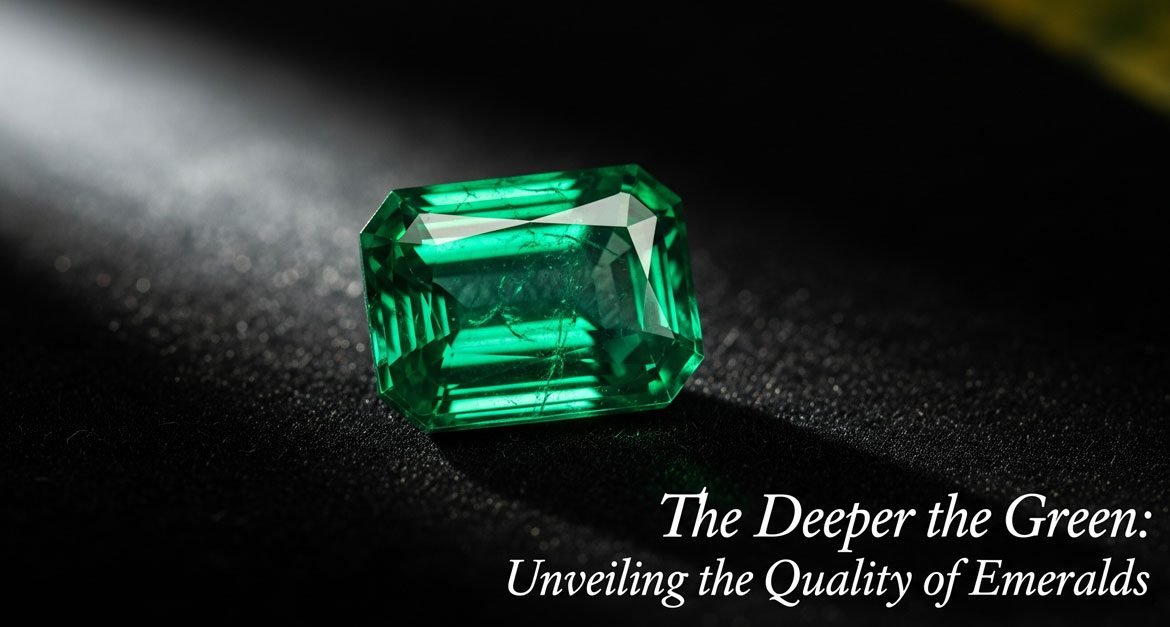
Not all emeralds are created equal. The quality and value of an emerald are determined by a combination of factors, known as the “four Cs”: color, clarity, cut, and carat weight. However, there is another, less-known factor that plays a crucial role in determining the quality of an emerald: its depth within the earth. Generally, the deeper an emerald is found within its deposit, the better its quality. This is a fascinating aspect of emerald geology that adds another layer of mystique to these already enchanting gemstones.
Emeralds form under intense heat and pressure, deep within the Earth’s crust. The geological conditions at these depths are more stable, allowing the emerald crystals to grow slowly and develop a more saturated and evenly distributed color. The intense pressure also helps to minimize the formation of inclusions, the natural fractures and imperfections that are common in emeralds. As a result, emeralds from deeper deposits tend to have a richer, more vibrant green color, better clarity, and greater stability.
In contrast, emeralds found closer to the surface are often exposed to more variable geological conditions. They may have been subjected to weathering and erosion over millions of years, which can affect their color and clarity. These emeralds may have a lighter, less saturated color and a higher number of inclusions. While they can still be beautiful and valuable, they generally do not command the same high prices as their deep-seated counterparts.
The search for these high-quality, deep-seated emeralds is what drives many mining operations. Miners are constantly exploring new areas and digging deeper into existing deposits in the hope of uncovering these exceptional gems. This requires a significant investment in technology and expertise. Advanced drilling techniques and geological modeling are used to identify potential deep-seated deposits.
The difference in quality between shallow and deep emeralds has a significant impact on their value. A high-quality emerald from a deep deposit can be worth many times more than a similar-sized emerald from a shallower deposit. This is why the provenance of an emerald, the story of where it came from, is so important to collectors and connoisseurs.
The allure of deep-seated emeralds is a testament to the wonders of nature. It’s a reminder that the most precious treasures are often the ones that are hardest to find. The next time you admire a beautiful emerald, take a moment to appreciate the incredible journey it has taken from the depths of the earth to the palm of your hand. It’s a journey that speaks of geological time, human endeavor, and the enduring quest for beauty.